

By Sunday Oyinloye
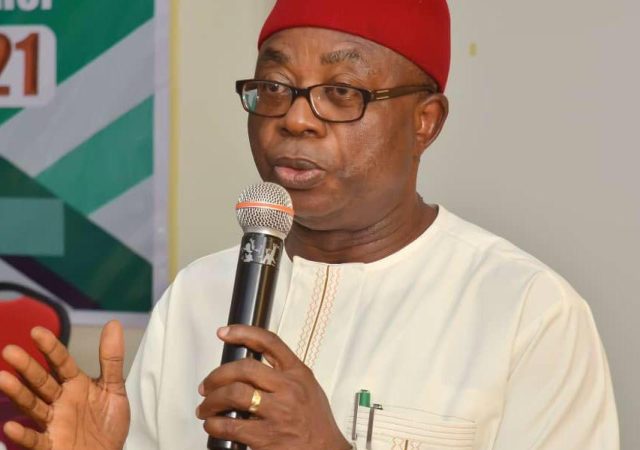
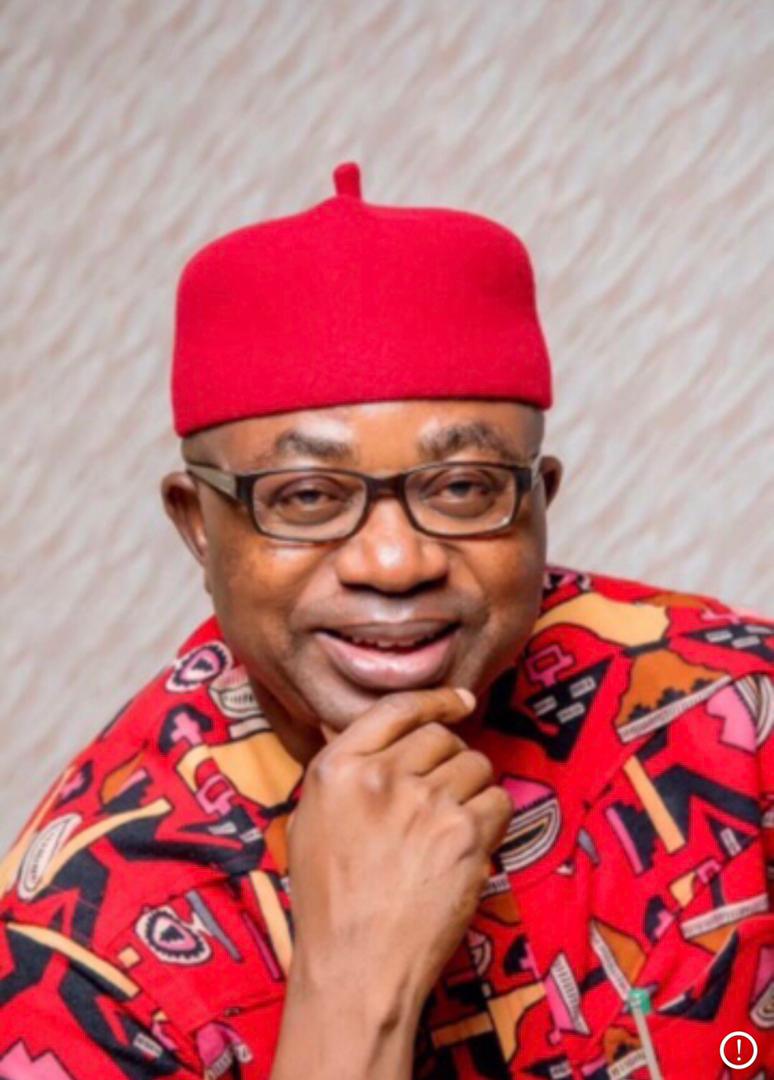
Rt. Hon. Sam Onuigbo, member representing South-East on the Governing Board of the North East Development Commission (NEDC) and a former federal lawmaker, has commended President Bola Ahmed Tinubu for his unwavering commitment to the full implementation of local government autonomy, describing the President’s intervention as timely, courageous and critical to grassroots development and national stability.
Onuigbo, a long-standing advocate of local government autonomy and climate change said the President’s remarks at the APC National Executives Committee Meeting and the party’s National Caucus Meeting respectively has once again demonstrated his love for the citizens.
The state governors have allegedly held on to over ₦4.5 trillion meant for local government councils one year after the Supreme Court ruled that allocations to councils must be paid directly from the Federation Account.
The landmark judgment, delivered in July 2024, unequivocally declared it unconstitutional for state governments to continue operating joint state-local government accounts as a conduit for federal allocations to councils. Despite this, investigations by a national newspaper revealed that funds meant for the 774 local government councils are still being routed through states, effectively undermining the ruling of the apex court.
Rt. Hon. Onuigbo praised President Tinubu for not only initiating the legal process that culminated in the Supreme Court judgment, but also for following it up with decisive administrative actions, including the setting up of a high-level committee and directing the Central Bank of Nigeria (CBN) to open dedicated accounts for all local governments.
“I want to personally and publicly commend Mr. President for remaining dogged and resolute on this matter. Supreme Court rulings are not suggestions; they are final and binding. The President has shown uncommon political will by insisting that funds meant for local governments must get to them directly.
“When the President said money meant for local governments should get to them at the party’s meeting, he was speaking not just as a party leader, but as a statesman who understands that Nigeria’s development begins from the grassroots,” Onuigbo said.
According to him, the continued delay in implementing local government autonomy is largely attributable to resistance from state governors, some of whom have gone as far as enacting state laws requiring local government chairmen to seek their approval before embarking on projects.
“The bottleneck is clearly with the governors. The federal government has done its part—legally, administratively and politically. What remains is for state governments to respect the Constitution and the Supreme Court judgment,” he said.
Drawing from historical experience, Onuigbo recalled that local governments functioned more effectively in the early years of the Fourth Republic, when council chairmen could independently execute projects such as rural roads, electrification, building of markets and youth engagement programmes.
“When local governments are allowed to breathe, they deliver. They know their people. They understand local security dynamics. They can engage youths productively and curb insecurity. But when their funds are withheld, governance at the grassroots collapses,” he warned.
Onuigbo also linked the issue of local government autonomy to broader national challenges, including insecurity, youth unemployment and rural underdevelopment stressing that empowering councils financially would significantly reduce social unrest and strengthen community-based governance.
While acknowledging constitutional hurdles, particularly provisions relating to joint accounts under Section 162, he expressed confidence that the committee set up by the federal government would find lawful and practical ways to enforce the judgment without violating constitutional processes.
He further urged Nigerians to play an active role by demanding accountability from both local government chairmen and state governors.
“The most important office in a democracy is that of the citizen. People must ask questions: how much came into their local government and what was it used for? Once that pressure builds, impunity will give way to accountability,” he said.
Rt. Sam Onuigbo again lauded President Tinubu for his broader reform agenda, noting improvements in fuel pricing, declining inflation figures and signs of economic recovery.
“The President took off in stormy weather in 2023, but today we are approaching a cruising stage. What we now need is consolidation and, most importantly, ensuring that these gains trickle down to the grassroots—and local government autonomy is central to that,” he added.
He expressed optimism that with most governors now in the ruling party, President Tinubu’s charge would be heeded and the long-standing obstruction of local government autonomy would finally come to an end.
“I have no doubt that Mr. President will see this through. History will remember him as the leader who restored the local government system and brought governance back to the people,” Onuigbo concluded.