
By Sunday Oyinloye
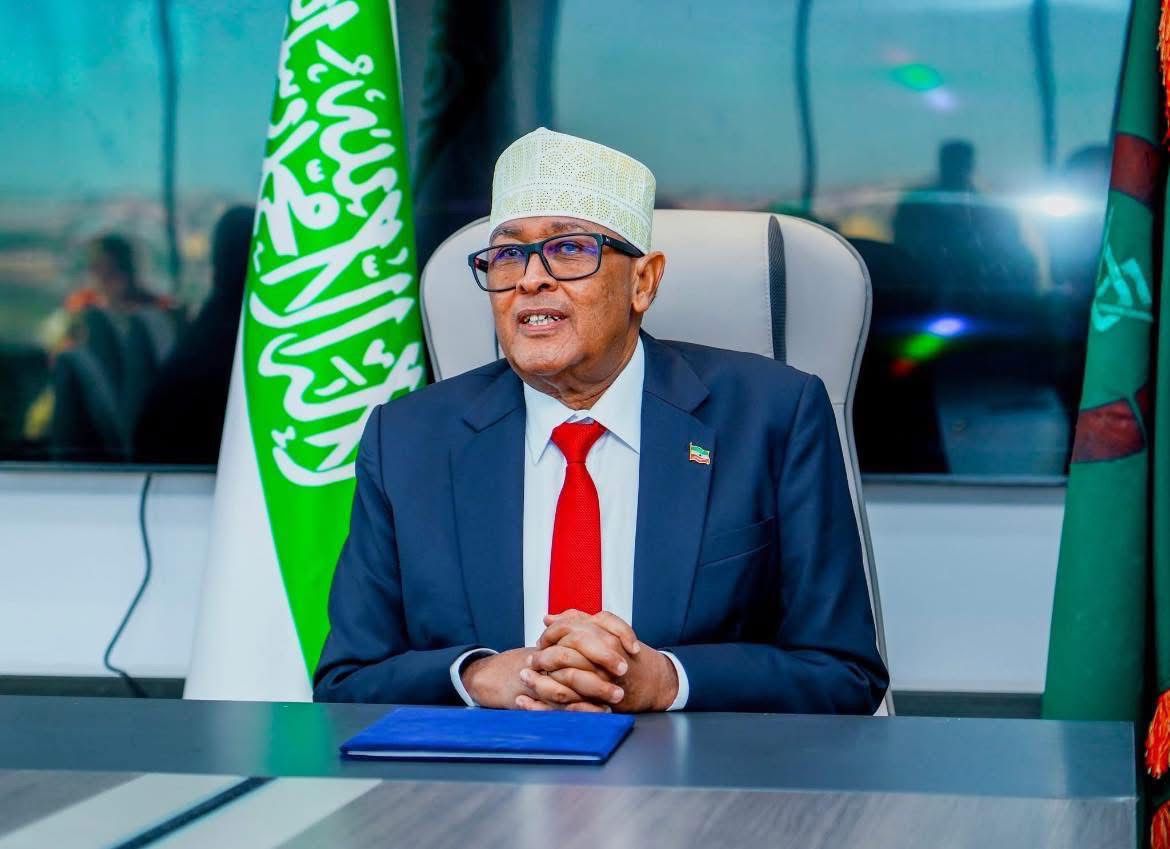
For Somaliland’s President, Abdirahman Mohamed Abdullahi, the recognition of his country by Israel is not only historic but the fulfillment of a long-held dream after years of intense diplomatic lobbying. Israel’s Prime Minister, Benjamin Netanyahu, has said his country intends to immediately expand cooperation with Somaliland in agriculture, health and technology.
The excitement that greeted Israel’s recognition is understandable. Such recognition could encourage other nations to follow suit, strengthening Somaliland’s diplomatic credentials and improving access to international markets. However, it remains unclear whether Israel’s closest ally, the United States, will also recognise Somaliland in the near future—especially as President Abdirahman has announced Somaliland’s intention to join the Abraham Accords, describing the move as “a step toward regional and global peace.”
According to President Abdirahman, Somaliland is “committed to building partnerships, boosting mutual prosperity, and promoting stability across the Middle East and Africa.”
Located in the Horn of Africa, Somaliland lies along the southern coast of the Gulf of Aden. It is bordered by Djibouti to the northwest, Ethiopia to the south and west, and Somalia to the east. Covering an area of about 176,120 square kilometres, Somaliland has an estimated population of six million people. Its largest city, Hargeisa, also serves as the capital.
Notably, Somaliland occupies a strategic position along one of the world’s busiest maritime routes. Even before its recognition by Israel, the territory functioned like a sovereign state, with a working government, its own currency and passport, a police force, a legal system, and effective control over its territory. Somaliland emerged in 1991 following a war of independence.
Its political system blends Western-style democratic institutions with traditional Somaliland governance. This includes a bicameral parliament, featuring an unelected House of Elders made up of clan representatives who play a key role in conflict mediation.
Over the years, Somaliland has maintained relative peace and conducted several multi-party democratic elections, including presidential and parliamentary polls. Historically, coastal cities such as Berbera were major trading hubs for frankincense, myrrh and spices, linking Africa with ancient Egypt, Greece, the Arabian Peninsula and India.
Economically, Somaliland relies largely on primary production, with livestock—especially camels—forming the backbone of its exports to Middle Eastern markets through the port of Berbera. The country has one of the largest camel populations in the world. Its rich wildlife and natural landscapes also position Somaliland as a potential tourist destination. The Daallo Escarpment, home to the Daallo Forest, boasts rich biodiversity, endemic plant species and spectacular views overlooking the Gulf of Aden.
Unsurprisingly, Somalia and several other countries have reacted negatively to Israel’s recognition of Somaliland. Somalia condemned the move, describing it as interference in its internal affairs.
“This will never be acceptable or tolerable to our government and people, who are united in defending our territorial integrity,” Somalia’s State Minister for Foreign Affairs, Ali Omar, told Al Jazeera.
Foreign ministers from Jordan, Egypt, Algeria, Djibouti, Qatar, Saudi Arabia, Türkiye, Pakistan, Iran, Iraq and more than a dozen other countries—along with the Organisation of Islamic Cooperation (OIC)—also condemned Israel’s decision. They described it as an “unprecedented measure” with “serious repercussions for peace and security in the Horn of Africa and the Red Sea.”
Yet, as the saying goes, in politics there are no permanent friends or permanent enemies. Over time, shifting interests could lead more countries to reconsider their positions and extend recognition to Somaliland.
Beyond geopolitics, however, Somaliland’s story is fundamentally about its people—particularly diaspora entrepreneurs—who helped build the nation long before international recognition.
Investigations by Green Savannah Diplomatic Cable reveal that Somaliland’s recognition did not come easily. It was driven by the personal efforts of committed Somalilanders in the diaspora who worked tirelessly to make the dream a reality.
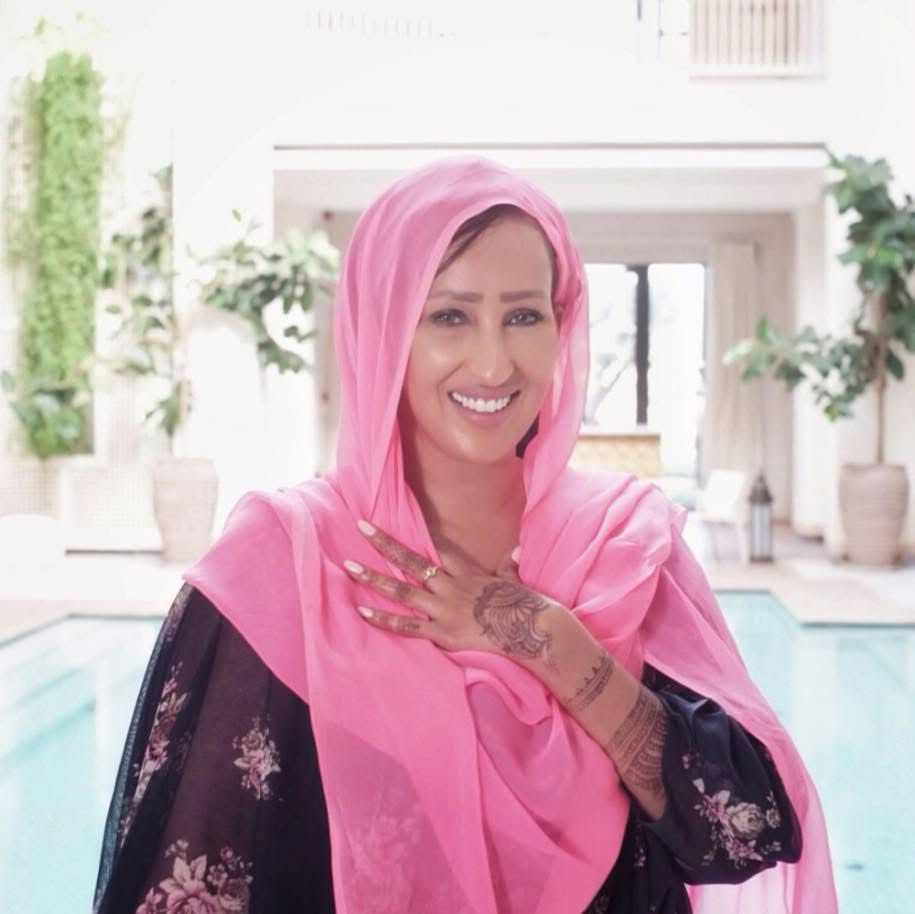
Among them is Dr. Muna Magan, a Sweden-based CEO of Riyan Organic and Muna Magan Clinic. Her beauty products, rooted in Somaliland’s natural resources, have placed the country on the global map. Through her work, Dr. Magan consistently tells the story of Somaliland—its heritage, resilience and potential—wherever she goes.
Entrepreneurs like Dr. Magan represent a vital bridge between Somaliland’s history of survival and its economic future. Her journey from refugee child to medical doctor and international entrepreneur mirrors Somaliland’s own path: resilience without recognition, institution-building without aid, and global impact without a flag.
For years, Dr. Magan has built businesses, clinics and trade networks despite the absence of international legitimacy. She has also mobilised diaspora entrepreneurs to support stability, job creation and self-reliance within Somaliland. Her advocacy and coordination efforts contributed significantly to the push for international recognition.
There is little doubt that Israel’s recognition—and potentially that of other countries in the future—could be a game changer for a nation known for the resilience and industriousness of its people. Recognition could unlock access to new markets, partnerships and investments.
Still, the critical question remains: what next after Israel’s recognition?
Israel’s decision marks the first formal recognition of Somaliland’s independence by a United Nations member state since 1991. It breaks decades of diplomatic isolation and provides Somaliland’s leaders with a strong precedent when engaging other nations and international institutions.
Plans are already underway for Somaliland and Israel to open embassies and exchange ambassadors—moving relations from informal engagement to full diplomatic status. Such ties could lead to agreements on trade, visas and broader bilateral cooperation.
Officials from both sides have also discussed collaboration in agriculture, technology, health and economic development, potentially bringing investment, expertise and training opportunities to Somaliland.
Moreover, Somaliland’s proximity to the Bab al-Mandab Strait enhances its strategic importance for trade and security in the Red Sea region—an area of interest to Israel. This positioning could make Somaliland an attractive partner in regional security cooperation, surveillance and counterterrorism efforts.
Some analysts believe Israel’s recognition could encourage other states to follow, even though international reactions so far remain largely critical and many governments insist on regional consensus.
While Israel’s recognition is undoubtedly a milestone, much work lies ahead. Somaliland’s government and its people—especially those in the diaspora—must intensify diplomatic engagement to secure broader recognition.
As the saying goes, charity begins at home. Somaliland may need to prioritise outreach to fellow African states before turning to Israel’s allies. With determination and perseverance, Somaliland could gradually win the confidence of more nations in the months and years ahead. After all, every nation needs friends—and Somaliland is no exception