


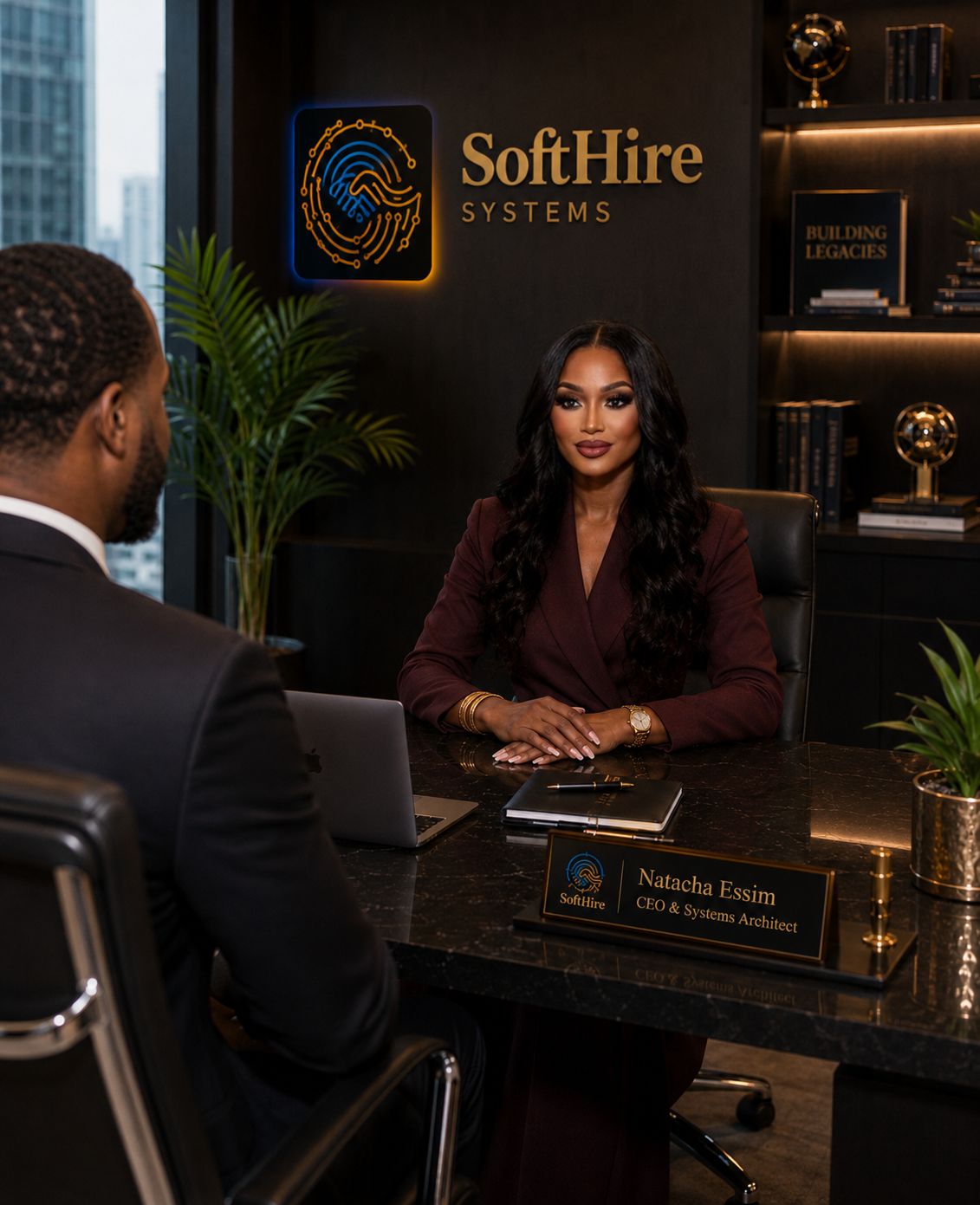
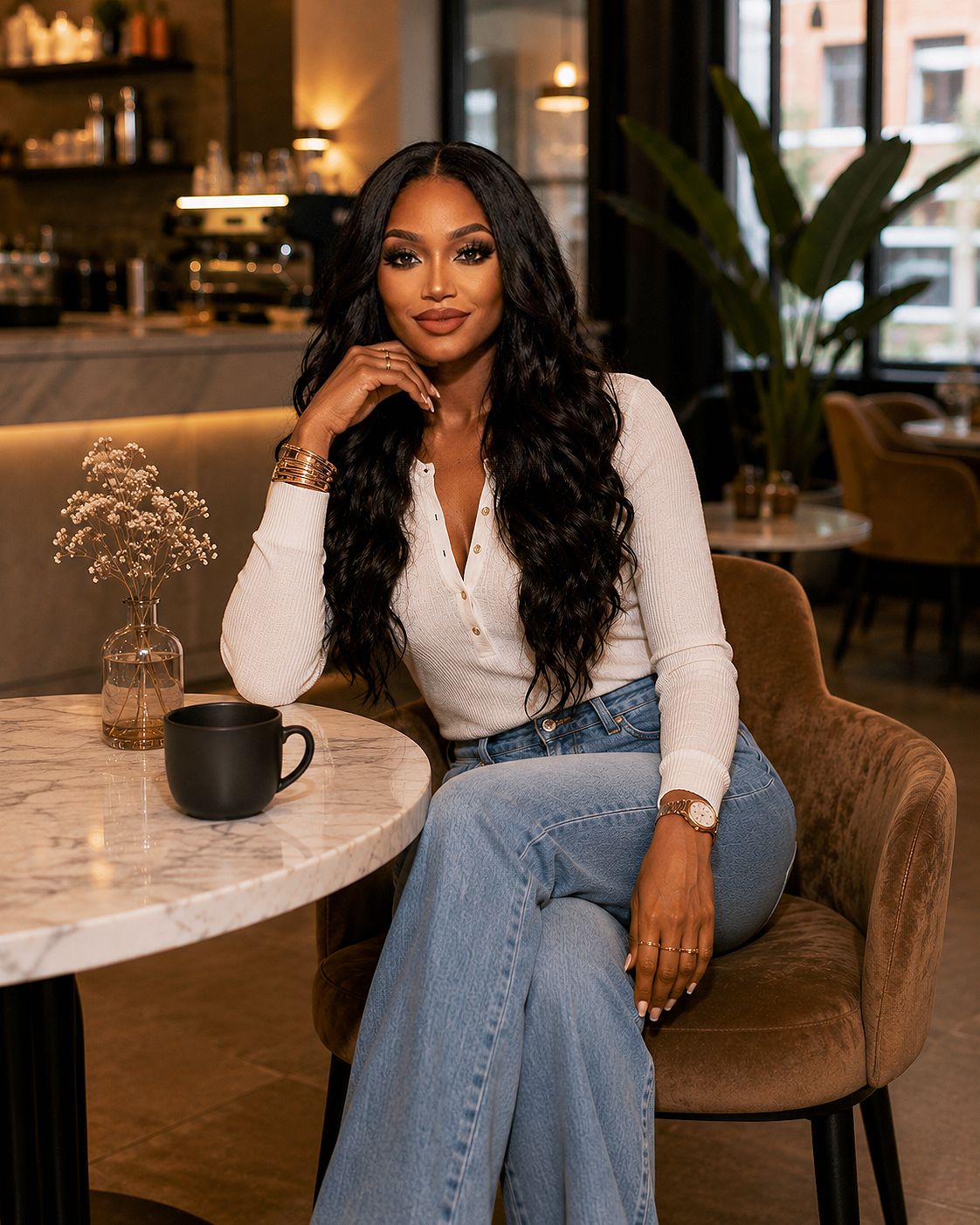
Natacha Essim is the Founder & Principal Consultant SoftHire Systems LLC, Alexandria, Virginia, USA. Born in Douala, Cameroon, Essim is of Cameroonian and Congolese heritage. In 1997, at the age of eleven, she moved to the United States with her family, beginning a new chapter that would take her from navigating a foreign school system to building businesses that now serve clients across borders. Her early career was rooted in business administration and management developing the operational instincts that would later define how she approaches every client engagement. Then came a pivot that changed everything: she moved into Human Resources, discovering a field where the gap between what businesses needed and what they had was vast, consequential, and largely invisible to the founders experiencing it. That observation became the founding thesis of SoftHire Systems LLC. Before building her own practice, Essim served as an HR Specialist at a Professional Employer Organization, where a team of four managed thirty client companies simultaneously delivering white-glove HR services at scale. Before that, she was a Senior HR Associate at a government contractor in international development, where her work crossed borders and jurisdictions long before she built a platform to help others do the same. Today, Essim runs three interconnected business lines from Alexandria, Virginia. On the technology side, Essim is among a growing cohort of founders who have adopted AI not as a productivity tool but as an architectural one using it to design and operate the entire back end of her business. Through Build With Tacha, she documents that process publicly, publishing guides and building an audience of founders looking to do the same. Her work on Claude AI automation, client portal systems, and AI-powered business infrastructure has established her as a practitioner-voice not merely an observer
Natacha Essim speaks exclusively to Sunday Oyinloye, Publisher Green Savannah Diplomatic Cable
Excerpts:
You moved to the USA at the age of 11. How were you able to integrate effectively and did you encounter any challenge?
We moved from Douala, Cameroon, when I was 11. My father had made the journey four years before us, working an overnight security job to send what he could back home. My mother was remarkable; she stretched every dollar and kept our household together with very little. But it was hard. There were moments when school fees, immigration costs, and the basic cost of keeping a roof over our heads could not all be covered at once. My siblings and I once missed the first few weeks of school because we did not have enough to cover everything that was due at the same time. One of the first and most immediate challenges was the language barrier. We only spoke French and Lingala. English was completely foreign to us. My father had a very deliberate solution for that: he banned French from being spoken at home entirely. It was strict, but it worked. Being forced to communicate only in English, even imperfectly and even at home, accelerated our learning in a way that classroom instruction alone never could have. Integration was not a single moment; it was a slow, daily process of learning a new culture while holding tightly to the one we came from. What carried me through was watching my mother’s resilience and understanding, even as a child, that the sacrifice had a purpose. That shaped everything.
What informed your choice of course at Virginia State University?
Honestly, my older sister planted the seed. She attended Virginia State University and was passionate about it; she persuaded me to apply and I am grateful she did. What made VSU special was not just the curriculum; it was the environment. As an HBCU, it gave me access to African American history in a way I had not experienced before – taught by people who lived it and cared deeply about it. The connections I made there were equally formative. My peers were driven, culturally grounded, and ambitious. Those relationships and that foundation shaped the professional I became.
What role did your years at Virginia State University play in making you a Pan-Africanist?
VSU deepened what was already planted at home. My father was a Pan-Africanist. He wrote the book Eyes of Sacrifice: The Massacre of Africa, so I grew up with an awareness of Africa’s history, its struggles, and its potential. What VSU gave me was a community that reinforced that identity. Being surrounded by people who were equally invested in understanding Black history, the African diaspora, and our collective future made me more intentional about who I am and what I stand for. It was not a conversion; it was a confirmation.
Tell me the story of your journey to the business world.
My path into business was built through the corporate world first. I spent many years in business administration, and then pivoted to HR; first as a Senior HR Associate at a government contractor in the international development sector, and later as an HR Specialist at a Professional Employer Organization where I managed HR services for over 30 client companies simultaneously. That experience gave me a front-row seat to how underserved small and growing businesses are when it comes to people operations and compliance infrastructure. I kept seeing the same problem: founders were making expensive people decisions without systems, documentation, or strategy; not because they did not care, but because no one had built the right support for them. I founded Soft Hire Systems to solve that. What started as HR consulting has expanded into a full systems and digital studio practice; building the infrastructure, technology, and tools that let businesses operate without everything depending on one person being in the room.
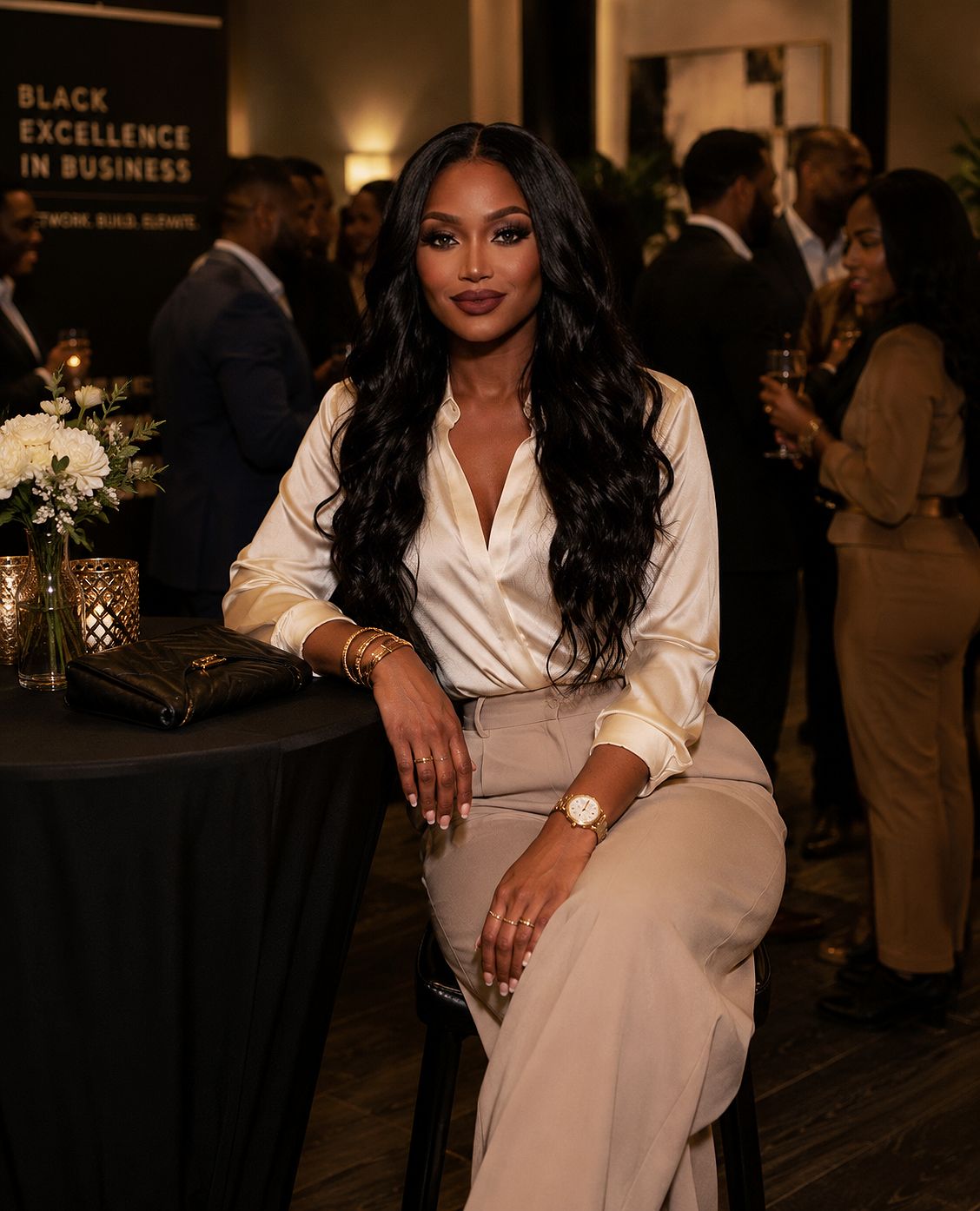
Many businesses in Africa particularly small-scale enterprises don’t pay much attention to Human Resources. As an HR Specialist, what advice do you have for them?
My advice is simple: your people are your infrastructure. Every other system you build, your operations, your finances, your growth, depends on the people you hire, how you manage them, and how you protect your business when things go wrong. Neglecting HR does not save you money; it creates invisible liabilities that surface at the worst possible time. You do not need a full HR department to start. You need clarity; clear roles, basic documentation, and fair processes. Who does what, how people are held accountable, and what happens when there is a dispute. Those three things alone will put you ahead of most businesses your size. Build the foundation before you need it, not after a crisis forces you to
As someone with great knowledge of happenings in Africa, why is the continent still largely underdeveloped?
In my view, African underdevelopment is inseparable from neocolonialism. Many African nations gained political independence decades ago, but true economic sovereignty was never fully transferred. Foreign governments, multilateral institutions, and multinational corporations continue to shape policy, extract resources, and set the terms of trade in ways that benefit the Global North far more than the continent itself. What compounds this is the dependency it creates among African leaders; dependency on foreign aid, foreign investment structures, and foreign approval. When a government’s budget relies on external financing, its policy priorities inevitably shift toward satisfying its creditors rather than its citizens. Infrastructure that would serve local economies is underfunded. Education systems that would build local capacity are deprioritized. The talent that does develop often emigrates because opportunities abroad outpace what is available at home. The continent has the resources, the youth population, and the intellectual capital to drive its own development. What it needs is leadership that is accountable to its people first and economic frameworks that keep value on the continent rather than extracting it.
How can leadership challenges in Africa be addressed?
Leadership transformation in Africa starts with accountability structures. When leaders know they will face real consequences at the ballot box, in the courts, in the press, they govern differently. Strengthening independent institutions, protecting press freedom, and investing in civic education are not soft priorities; they are the foundation of effective governance. Beyond accountability, we need to invest in the pipeline. Leadership development programs, mentorship ecosystems, and access to quality education must be treated as national infrastructure. The next generation of African leaders is already here; they are building companies, running community organizations, and solving local problems with creativity and limited resources. The question is whether systems exist to support, elevate, and retain them. The diaspora also has a role to play, not as saviors, but as bridges. We carry knowledge, networks, and resources that can be brought back in service of the continent. That reciprocal relationship between Africa and its diaspora is one of the most underutilized assets on the continent.
Your roots are in Africa, what are you giving back to the continent?
Giving back starts with access. One of the most powerful things I can do is bridge the gap for young Africans particularly young women, by connecting them to opportunities in technology. I plan to build intentional programs that pour into women in tech across the continent: sharing knowledge, tools, and practical skills that translate into real economic mobility. I come from a family where sacrifice was currency. My parents gave up comfort in pursuit of possibility for us. The least I can do is turn that into something that opens doors for others who are at the beginning of that same journey. Whether through mentorship, education, or the technology we build at SoftHire, my goal is to make sure that geography and gender are not the reason someone’s potential goes unrealized.
Tell our readers about your different lines of business and how they are impacting the world, particularly Africa?
SoftHire Systems LLC operates across four interconnected practices.
SoftHire Systems HR Advisory is my executive HR consulting practice, serving founders and growing businesses that need people infrastructure without the cost of a full-time HR department. We build the systems, documentation, and compliance frameworks that protect businesses and scale with their teams. This includes HR audits that identify gaps and risks before they become expensive problems, full HR infrastructure builds handbooks, offer letters, onboarding workflows, and job descriptions .people strategy and fractional HR support for businesses navigating hiring, performance management, and employee relations, and multi-jurisdiction compliance for companies operating across US states or expanding into international markets, with particular depth in African markets and the diaspora. Everything is delivered async-first, scoped before work begins, and built to run without a full-time HR hire.
SoftHire Systems Digital Studio is the technology and design arm of the business, building the digital presence and operational systems that let founders step back without losing control. We design and deploy custom websites, branded digital assets, and AI-powered operations apps for service businesses and founders who need infrastructure that works without them in the room. Recent work includes a full digital build for a Virginia in-home healthcare agency , a GPS-verified caregiver timekeeping app, a clinical progress notes portal mapped to state regulatory requirements, payroll reporting, compliance-aware architecture, and branded staff guides ,all delivered in under two weeks. We also offer bundled packages combining brand, systems, and compliance from one team, so founders never have to coordinate multiple vendors.
SoftHire Systems is our compliance platform currently covering 55 jurisdictions including US states and international markets, with particular depth in African markets and the diaspora. For businesses expanding into or across Africa, compliance is one of the most complex barriers to entry. We are building the tools to make that navigable.
Build With Tacha is our AI education brand guides, toolkits, and resources that teach founders and professionals how to use artificial intelligence practically in their businesses. Technology is a great equalizer, but only for those who understand how to use it. Build With Tacha is about closing that gap.
Across all four, the thread is the same: building systems that work without you, for people who have been historically underserved by the institutions that were supposed to support them. Africa is not an afterthought in that mission, it is central to it