

By Sunday Oyinloye
A renewed push for full financial and political autonomy for local governments in Nigeria dominated discussions at the South East Summit on Reviving Local Governance held in Umuahia, Abia State.
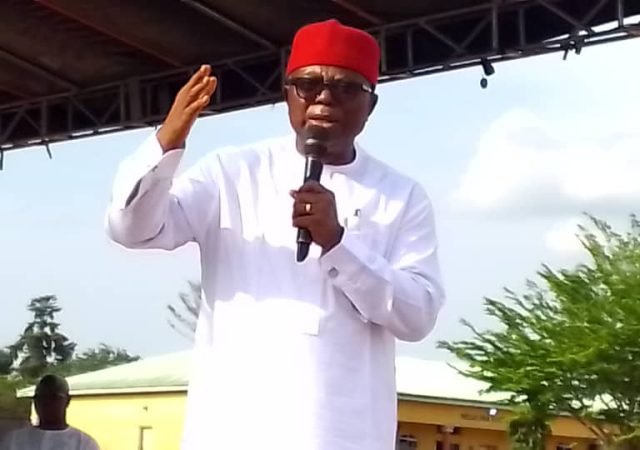
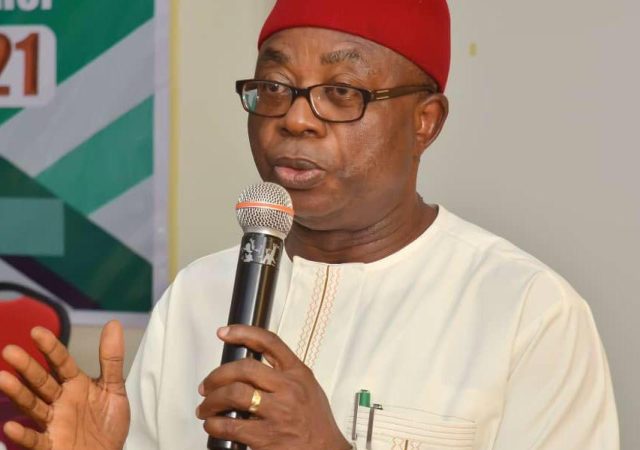
Speaking at the summit, Rt. Hon. Sam Onuigbo, member representing the South East on the Governing Board of the North East Development Commission (NEDC), stressed that strengthening local governance is critical to Nigeria’s democratic stability and sustainable development.
The event, which took place at the Bishop Nwaedo Pastoral Centre, attracted key stakeholders who deliberated on restoring effectiveness and accountability to Nigeria’s third tier of government.
In his goodwill message, Onuigbo noted that local governments were constitutionally created to bring governance closer to the grassroots and fast-track development at the community level. He warned that any erosion of their autonomy undermines Nigeria’s federal structure.
He explained that the 1999 Constitution recognizes democratically elected local government councils as a distinct tier of government with clear responsibilities, including primary healthcare support, rural infrastructure development, market management, and other community-based services.
However, he lamented that since Nigeria’s return to democracy in 1999, the autonomy of local councils has steadily diminished, largely due to what he described as excessive state control of their finances through the State–Local Government Joint Account system. According to him, this arrangement has weakened service delivery, worsened rural infrastructure, and eroded public trust in grassroots administration.
Onuigbo underscored the importance of local governments in job creation, infrastructure expansion, and community security support. He maintained that properly empowered councils could stimulate rural economies through public works programmes, agricultural extension services, and other grassroots-driven initiatives.
He described the 2024 Supreme Court judgement in the suit filed by the Attorney-General of the Federation against the 36 state governments as a watershed moment for grassroots governance. The apex court ruled that allocations meant for local governments from the Federation Account must be paid directly to them, thereby reinforcing their financial independence and limiting unconstitutional interference.
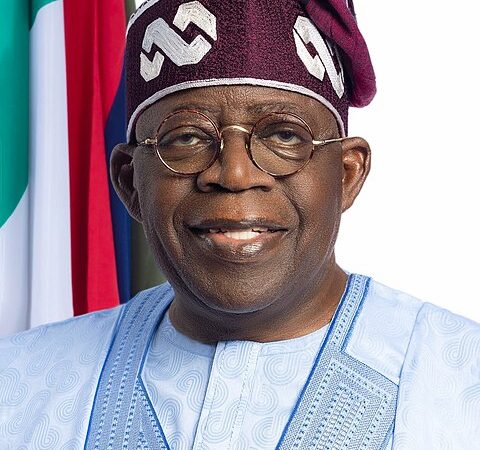
The former federal lawmaker commended President Bola Ahmed Tinubu for supporting the legal process that culminated in the landmark judgement, describing the move as a bold step towards deepening fiscal federalism at the grassroots.
He cautioned, however, that implementation of the ruling is crucial, warning that any delay or attempt to circumvent the judgement could undermine constitutional order.
Onuigbo also expressed concern over the performance of State Independent Electoral Commissions (SIECs), accusing them of failing to conduct credible and transparent local government elections. He argued that this has significantly weakened grassroots democracy.
He called on the National Assembly to amend relevant sections of the Constitution, including Sections 124 and 197 of the 1999 Constitution, to strengthen the independence of electoral bodies and improve the credibility of local council polls.
According to him, since local government funds are sourced from the Federation Account, it is inappropriate for state-controlled bodies to conduct their elections. He alleged that historical trends show that SIECs often produce outcomes that reflect candidates pre-selected by state governors, rather than the true will of the people.
The NEDC Board member therefore advocated a constitutional amendment transferring responsibility for local government elections to a national electoral body, insisting that such a move would enhance transparency and deepen democracy at the grassroots.
Onuigbo concluded by urging the immediate and comprehensive enforcement of local government financial autonomy, insisting that Nigeria’s challenges — including rural poverty, unemployment, and insecurity — cannot be effectively addressed without revitalised local governance.
He maintained that restoring local government autonomy is not optional but a constitutional imperative necessary for inclusive growth and democratic consolidation.
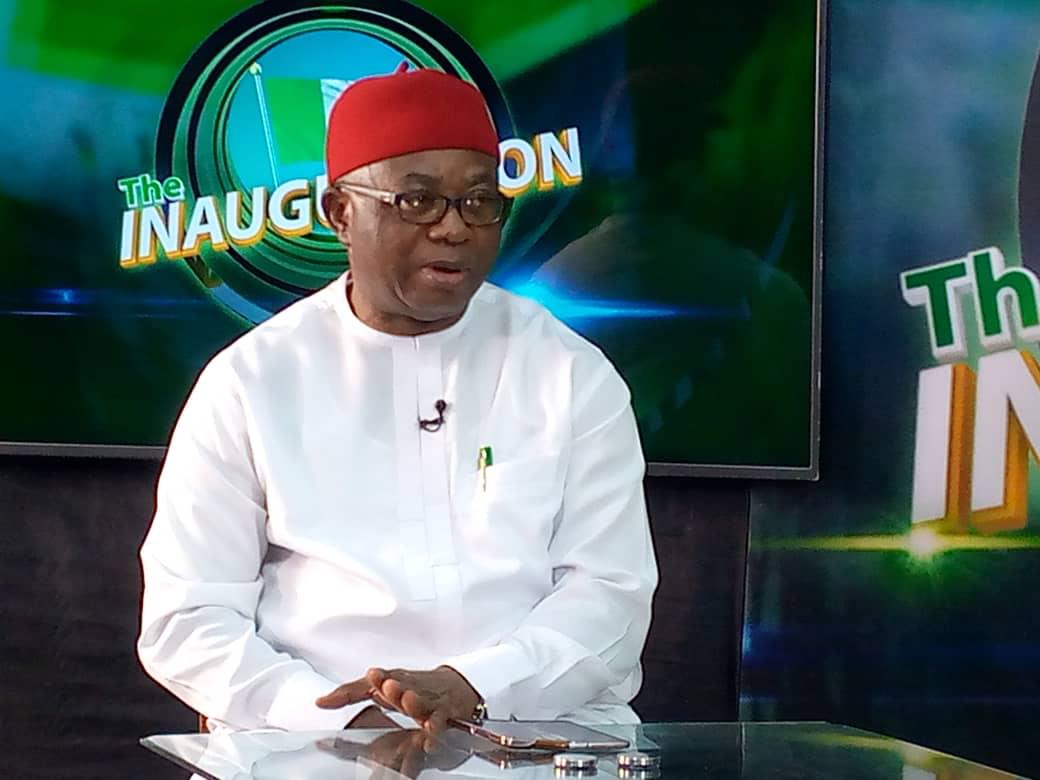
It would be recalled that Onuigbo has consistently advocated greater financial and administrative independence for local governments. In previous media interviews, he maintained that while the Federal Government under President Tinubu had taken steps to address the issue, state governors remained, in his view, a major obstacle to full implementation.
At the time, he alleged that funds accruing to local government areas across the country had been mismanaged over the years, running into hundreds of billions of naira.