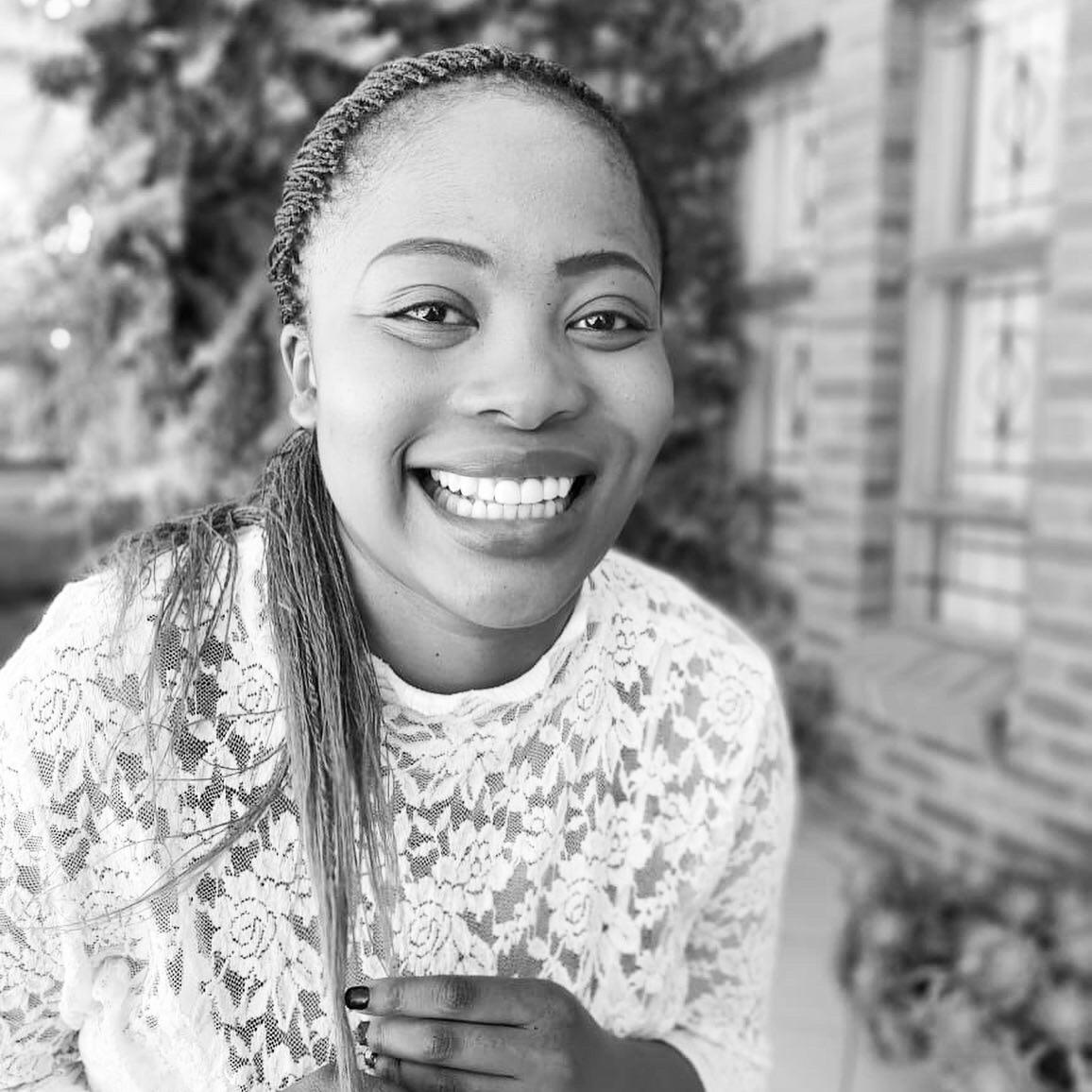


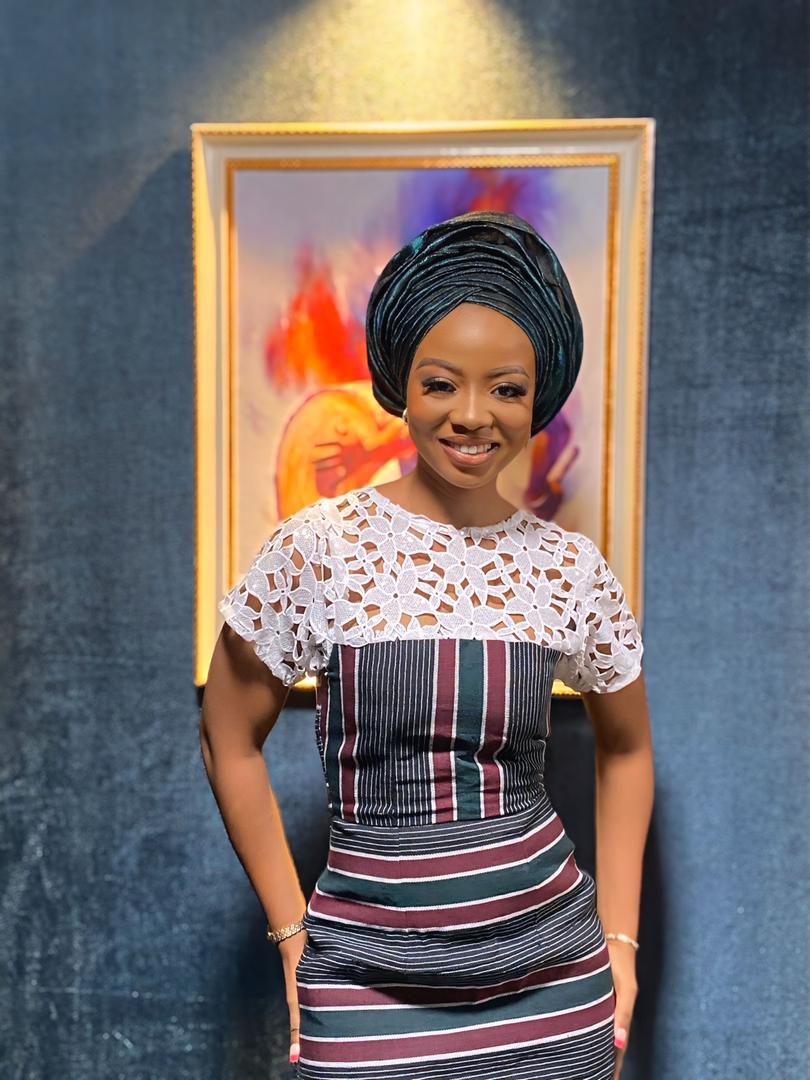
Taiwo Semiat Yusuf also known as Bọ́láńlé Onistory is a Nigerian storyteller, researcher, and cultural creative based in Lagos. She is passionate about telling Yorùbá stories in a way that today’s generation can understand. Born and raised in Lagos Island, her love for history and storytelling started from childhood. Growing up with her grandparents played a big role in shaping her interest in Yorùbá culture, traditions, and real-life stories from the past. She uses social media to bring old stories back to life. Her videos focus on Yorùbá history, cultural practices, and important events that many people have forgotten. Bolanle tells these stories in a simple and engaging way so people can connect with them easily. She has been featured on Africa Magic Yorùbá, and currently works with MotherlandRTV. Bolanle Onistory also performs and presents at cultural events, festivals, and exhibitions, where she shares stories and connect with live audiences. Her storytelling videos are gaining strong attention online, reaching hundreds of thousands of viewers and creating conversations around Yorùbá history and identity. She is currently conducting research into the origins of the Yorùbá people and developing more storytelling content for digital platforms, the stage, and film. Through her work, she hopes to keep Yorùbá stories alive and help more people connect with their culture.
Bolanle Onistory speaks exclusively to Sunday Oyinloye, Publisher, Green Savannah Diplomatic Cable
Excerpts:
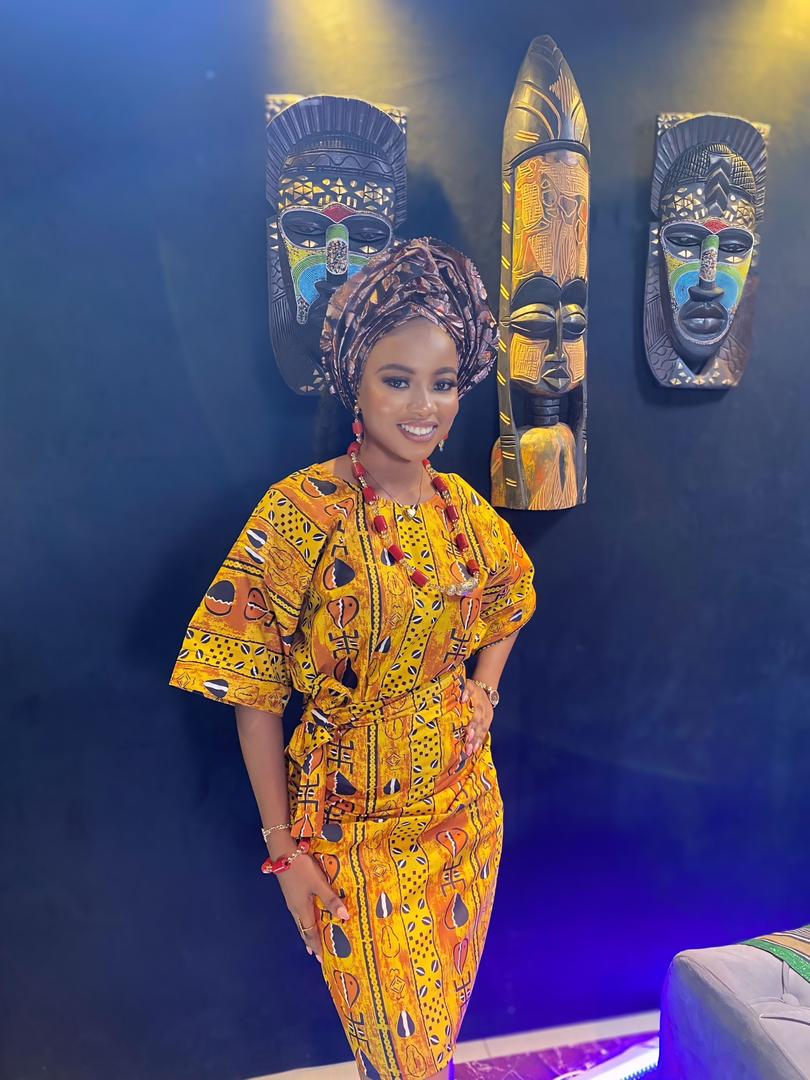
How did you come about the name Bolanle Onistory?
I became Bọ́láńlé Onistory through my passion for storytelling. I have always been a lover of stories. At a point, I started writing stories on Twitter (now X). Back then, I was using the name BolanleofUSA because I had the dream of going to America. One day, I got into an argument with someone, and the person insulted me for using that name when I had never been to the US. It hurt me a bit. The next day, I sat down and told myself I needed to change my handle. I started thinking of a new name, and it came to me, I tell stories. That is what I do. So I chose the name Bọ́láńlé Onístory.
Why are you passionate about telling Yoruba stories?
I would say it comes from my background. I grew up in Lagos Island with my paternal grandmother, and everyday life there made me passionate about storytelling. The party life, the strong community, the love, and especially the nightlife of Lagos Island all shaped me. When I was young, my twin and I used to go and eat tuwo at one of my uncle’s wife’s canteen. After eating, we children would gather together and start telling Yoruba moonlight stories. That became a special thing for me. As I grew older, I realised that storytelling is important for every culture. Every culture needs stories to stay alive. The Yoruba people need storytelling to preserve their culture for the next generation to come.
As a Researcher, what are those unique things about Yoruba people?
Thank you for this question. I will say there are many things unique about the Yoruba people. One of them is Oríkì (eulogy). I don’t think there is any culture in the world that has the Oríkì system like the Yorùbá. The Oríkì system is very unique because it serves as a memory. It tells a person’s lineage, their legends, their heritage, and even their town. It is a beautiful system because when a person knows their Oríkì, you can discover a lot of hidden information about who you are and who your ancestors were.
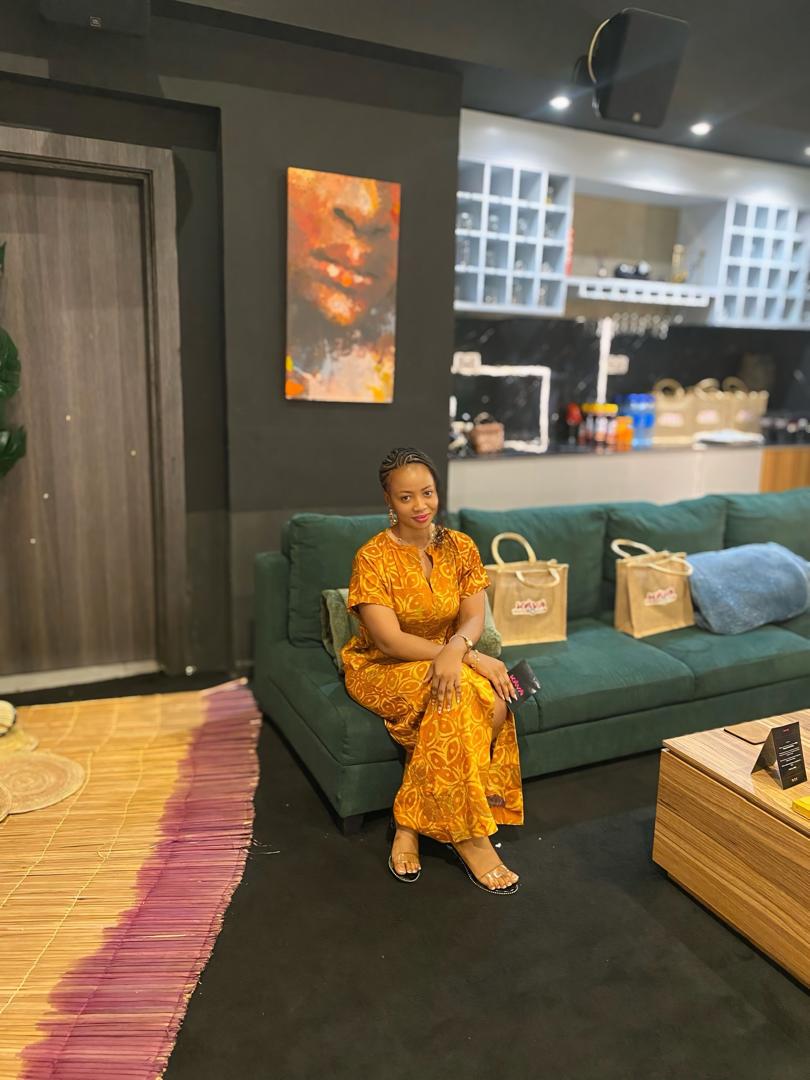
Why is it that Hausa and Igbo people like to speak their languages anywhere they find themselves, while Yoruba people don’t do the same?
This is a big question. I think maybe it is because some Yorùbá people see our language as inferior, and this comes from our educational system. I remember when I was in primary school, we were taught that speaking our language was vernacular, and you would be punished if you spoke it in school. That made me conscious of myself and believed that my language was inferior to English. So, wherever I found myself, even when speaking to other Yorùbá people, I felt I had to speak English so I wouldn’t sound local. I believe we must first change this mindset that Yorùbá is local. Once that happens, people will feel free to express themselves in Yorùbá when communicating with each other.
Are you in anyway mentoring the younger ones about the need for them to protect their language and culture?
Yes, in my community I try my best to mentor and teach the younger ones why Yoruba culture is important. In fact, they have nicknamed me “Iya Yorùbá”, and I love the nickname. I believe charity begins at home. The younger ones are our future, and we must make sure to teach them the values of our culture.
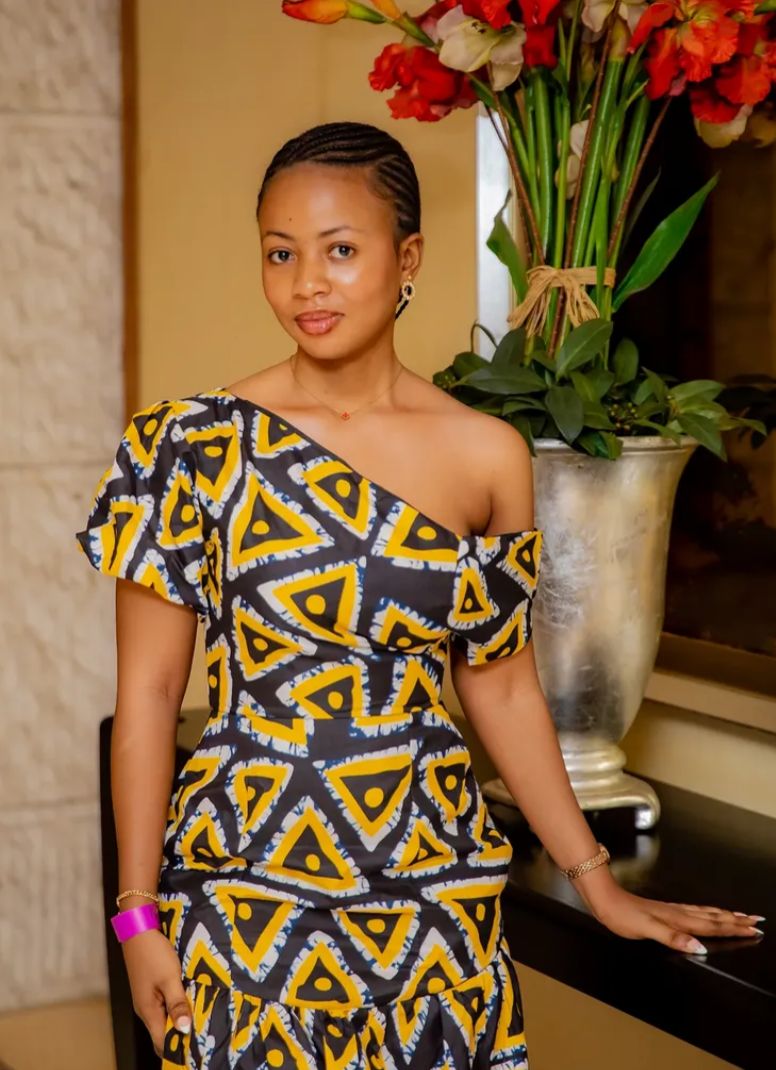
What has been your greatest challenge?
I think my greatest challenge is lack of funds. I have many storytelling programs I want to start, but right now no one is willing to sponsor them. I have written proposals and reached out to different companies, but I haven’t received any positive response.
What is your big dream?
I have many big dreams because I am a dreamer, and one of them is to tell stories in different countries around the world.
What is that thing that the world probably doesn’t know about you?
One thing people probably don’t know about me is that I think a lot before I tell a story.