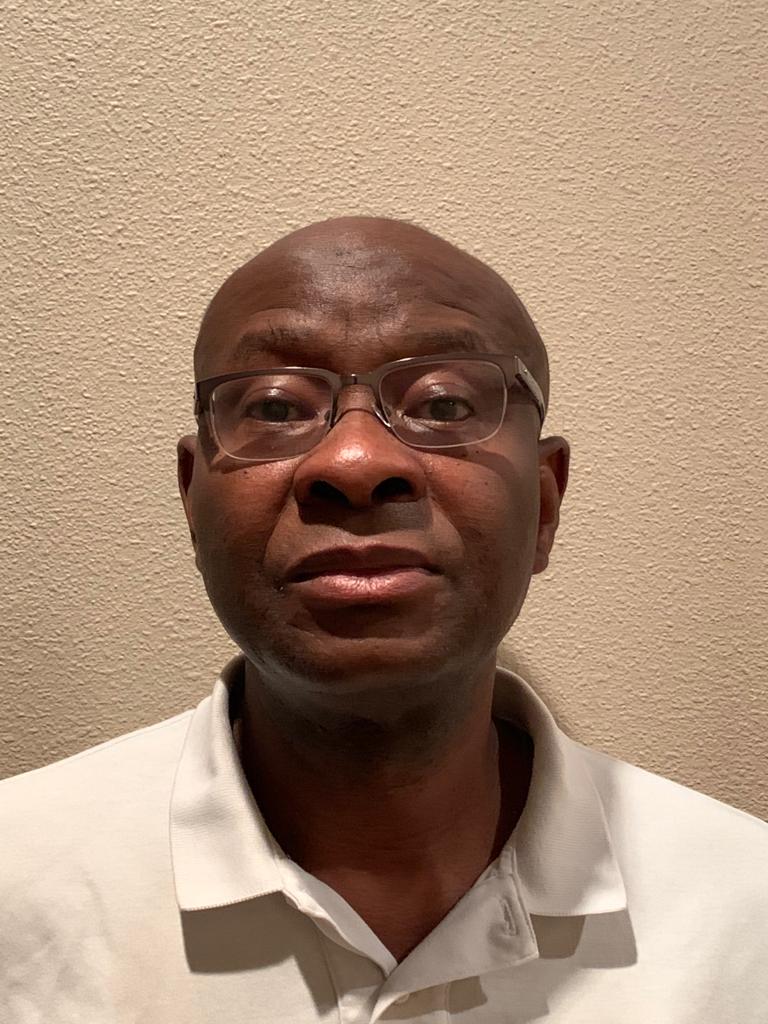



By Collins Nweke
As Nigerians in Diaspora Commission (NiDCOM) adopts health as the central theme of its Diaspora Health Impact Initiative (DHII) 2026, Nigeria has an opportunity to elevate diaspora engagement from symbolic outreach to a durable strategy for health system renewal and economic diplomacy.
When a country chooses health as one of the cardinal lenses through which it engages its diaspora, it is making a statement about priorities, values, and long-term national ambition. The decision of Nigerians in Diaspora Commission (NiDCOM) to anchor National Diaspora Day 2026 around the deployment of diaspora doctors and medical specialists across Nigeria is therefore more than a thematic choice. It is a strategic signal. It signals that healthcare is not only a social sector challenge, but also a domain of diplomacy, national competitiveness, and global partnership.
For too long, Nigeria’s relationship with its medical diaspora has been framed in deficit terms: brain drain, skills flight, and loss of talent to wealthier health systems. DHII 2026 reframes this narrative. It treats diaspora health professionals not as an absence to be lamented, but as a reserve of strategic capital to be mobilised. This is in ter s of knowledge, skills, networks, and global standards that can be productively reintegrated into national development.
This is what I describe in Economic Diplomacy of the Diaspora as diaspora health diplomacy: the purposeful use of diaspora medical expertise to strengthen domestic health systems while simultaneously advancing Nigeria’s international standing, trust, and partnerships.
Health diplomacy from below, not charity from above
One of the core arguments of the book is that health diplomacy does not belong exclusively to foreign ministries, multilateral agencies, or humanitarian donors. It can, and increasingly does, emerge “from below”, driven by diaspora actors who combine professional competence with a social conscience.
In the case study of Protex Healthcare, diaspora-aligned enterprise demonstrates how private firms can bridge health inequities between the Global North and Global South by supplying not just equipment and consumables, but reliability, standards, and trust. This is diplomacy in clinical form, where a white coat and a stethoscope become instruments of international partnership.
NiDCOM’s DHII 2026 sits comfortably within this logic. By facilitating the temporary deployment of diaspora doctors into Nigerian hospitals and clinics, the initiative shifts engagement from remittance flows to capability transfer. The value lies not only in the number of patients treated during outreach missions, but in the professional exchange: new protocols introduced, junior doctors mentored, diagnostic approaches refined, and confidence rebuilt within overstretched facilities.
Health diplomacy, in this sense, is not charity. It is mutual interest rendered visible through care.
From episodic missions to institutional transformation
The real test of DHII 2026 will come after the banners are rolled up and Diaspora Day celebrations conclude. Short-term medical missions, however well intentioned, do not on their own transform health systems. The strategic opportunity before NiDCOM, and the Nigerian state more broadly, is to convert this momentum into institutionalised diaspora health partnerships.
Nigeria’s health challenges are structural: workforce shortages, uneven specialist distribution, weak referral systems, limited research capacity, and declining public trust. Diaspora professionals are uniquely positioned to contribute to these deeper layers, provided engagement is designed beyond one-off interventions.
This is where lessons from diaspora-led institutions such as Coxwell Specialist Hospital become instructive. Founded by a returnee with deep international exposure, Coxwell shows how diaspora expertise can be domesticated, strengthening local infrastructure, retaining skills, setting new benchmarks in care delivery, and influencing policy discourse. It demonstrates that diaspora actors are not merely service providers; they are institution builders and system shapers.
DHII 2026 should therefore be seen as a gateway, not a destination.
Three pillars for a post-Diaspora Day health diplomacy strategy
To consolidate health as a permanent pillar of Nigeria’s diaspora engagement, three post-2026 priorities deserve attention.
First, institutional continuity.
Nigeria should move towards a standing diaspora health partnership framework that allows for structured secondments, visiting professorships, and specialist rotations. Accreditation, clear terms of engagement, and alignment with national and state health priorities will be essential to avoid ad-hocism.
Second, policy integration.
Diaspora health initiatives must feed into domestic health policy design. Advisory roles for diaspora professionals within ministries, teaching hospitals, and regulatory bodies would ensure that insights gained abroad inform reforms at home, from clinical governance to workforce planning.
Third, measurement and accountability.
Health diplomacy gains credibility when it is evidence-based. A transparent system for tracking outcomes; including skills transferred, systems improved, standards raised; would strengthen public trust and attract international partners interested in co-investment rather than charity.
A renaissance grounded in competence and trust
Choosing health as the theme for Diaspora Day 2026 is an affirmation that Nigeria’s healthcare renaissance will not be built on sentiment alone, but on competence, partnership, and shared responsibility. It recognises diaspora professionals as co-architects of national wellbeing, not distant benefactors.
If NiDCOM sustains this focus beyond the ceremonial moment by embedding health diplomacy into Nigeria’s broader economic and foreign policy thinking, then DHII 2026 may well go down in history as the point at which diaspora engagement crossed a threshold. It crossed from celebration to strategy and from outreach to impact.
In that future, diplomacy will no longer be confined to conference rooms and communiqués. It will also wear scrubs, carry medical charts, and quietly restore faith in systems, in institutions, and in the promise of care delivered at home.