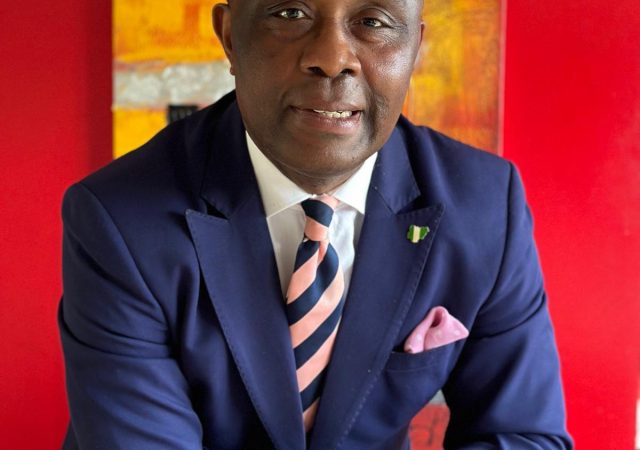


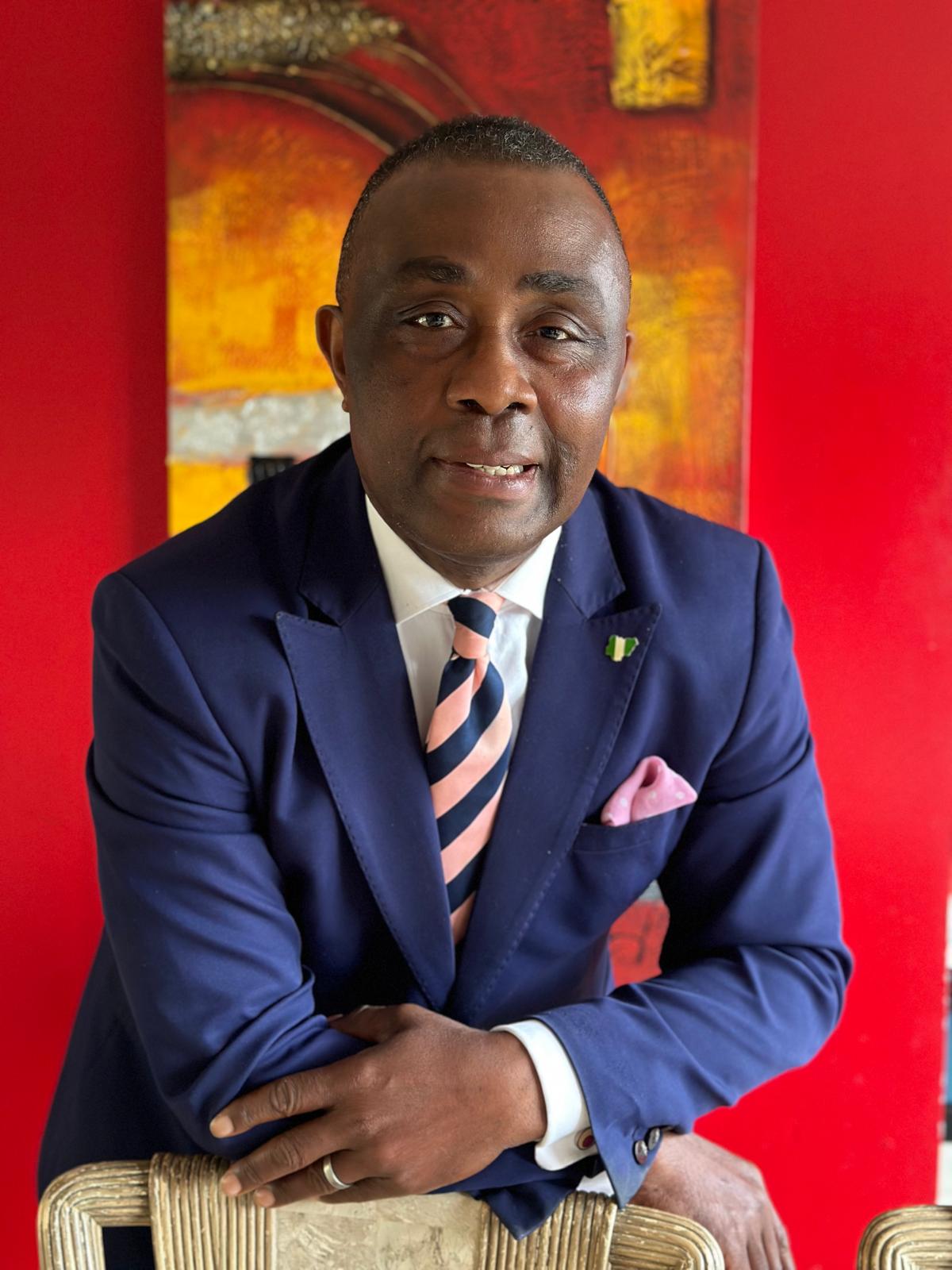
By Collins Nweke
Today 14 July, I turned sixty-one.
Birthdays have a curious way of inviting us to count things: years, accomplishments, titles, places visited, books written, awards received, elections won, and speeches delivered. But over time, I have discovered that life asks a fundamentally different question. It does not ask, “What have you accumulated?” but rather, “What have you connected?” The older I become, the more convinced I am that the true measure of a life is not the walls we build around ourselves, but the bridges we leave behind for others to cross.
Looking back, my own journey has taken me farther than the young educator who left Igbuzo, or the young banker and human resource professional who left Nigeria, could have ever imagined. It carried me into Belgian public life, where I had the privilege of serving for eighteen years, including as a municipal councillor. It introduced me to classrooms, diplomacy, international trade, policy conversations, television studios, conference halls, and boardrooms across continents. It gave me opportunities to write, teach, advise businesses and governments, mentor younger professionals, and, recently, to publish Economic Diplomacy of the Diaspora. Above all, it guided and guarded me as I raised my family.
For all of these blessings, I am profoundly grateful. Yet, if six decades of life have taught me anything, it is this: titles are temporary, influence is borrowed, but character is permanent. Many assume that success is about reaching the top. I no longer think so, if I ever did. True success is about enlarging the table so more people can sit around it.
Titles are temporary, Influence is borrowed; Character is permanent.
This conviction has quietly shaped almost everything I have tried to do. Whether in politics, public policy, diaspora engagement, or economic diplomacy, my deepest motivation has never been simply to represent people. It has been to connect them: bridging Africa and Europe, government and business, local realities and global opportunities, ideas and implementation, and generations old and young.
Perhaps that explains my growing fascination with bridges. Bridges do not ask travelers where they come from before allowing them to cross; they simply connect. Our world desperately needs more of that spirit. We live in an age where outrage travels faster than understanding, where algorithms reward division, and where public conversation resembles a contest rather than a search for truth.
Against that backdrop, bridge-building may seem ordinary, but I believe it is revolutionary. Over the past year especially, I have found myself writing less to persuade and more to understand; less to win arguments and more to illuminate complexity; less to defend ideological positions and more to invite open conversations.
Age has not diminished my conviction. It has simply taught me that conviction and humility are not enemies. They belong together. I have also come to appreciate something my younger self often overlooked: the greatest legacy we leave is rarely the work we complete ourselves, but the work we inspire others to continue. That is why mentoring young people now gives me as much satisfaction as any public recognition ever could. If my ideas outlive me through others, I will consider it a life well spent.
As I celebrate another year, I do so with gratitude rather than ambition. Gratitude for family, friends, and colleagues. Gratitude for the critics who sharpened me, the opportunities that stretched me, and the disappointments that matured me. And gratitude for every bridge I have crossed because someone else had the foresight to build it first.
Looking Ahead
Tomorrow, I look forward to sharing a conversation that is particularly meaningful to me. Not because it celebrates my journey, but because it allowed me to reflect honestly upon it. The interview will be released the following day on DEE: UNLEASHED, hosted by lawyer and podcaster Dominica Dunkwu.
It is less of an interview and more of an invitation to think aloud about identity, leadership, migration, public service, economic diplomacy, belonging, and the quiet lessons life has taught me over the years.
If turning sixty-one has clarified anything, it is this: life is not ultimately about becoming important; it is about becoming useful.
If, in some small way, my journey has helped connect people who might otherwise never have met, encouraged dialogue where there might have been division, or inspired someone to believe that bridges are stronger than barriers, then I have every reason to celebrate. Not because I have arrived, but because the bridge is still being built.
At sixty-one, I have stopped asking how far I have traveled. I have started asking how many people can now travel farther because I passed this way.
The work continues.