

By Mephy James
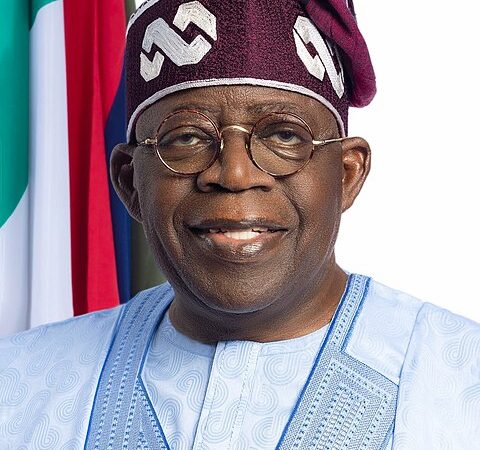
A fresh surge of youth-driven political mobilisation has emerged in Abia Central Senatorial District with the launch of the City Boy Movement, a grassroots platform aimed at building support for President Bola Ahmed Tinubu’s re-election bid ahead of the 2027 general elections.
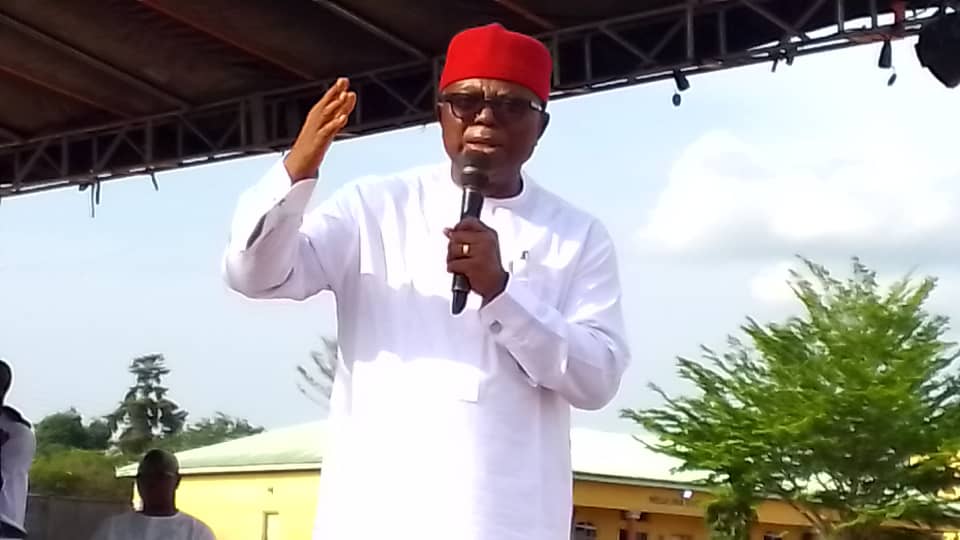
The inauguration, held at the Michael Okpara University of Agriculture Umudike Primary School, attracted a diverse gathering of young professionals, community leaders and political stakeholders, marking what observers described as an early consolidation of youth-led political engagement in the zone.
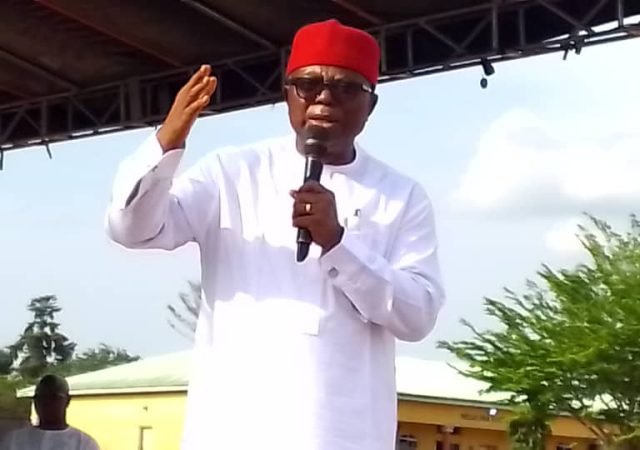
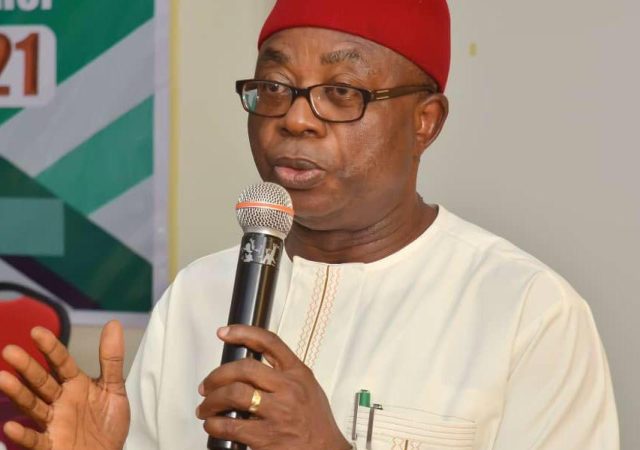
Former lawmaker and senatorial aspirant for Abia Central in 2027, Rt. Hon. Sam Onuigbo, who led the mobilisation effort, described the emergence of the group as a calculated step by progressive-minded youths determined to influence Nigeria’s political future.

He praised the credibility and achievements of the organisers, stating that their collective resolve strengthens the movement’s foundation.
Onuigbo attributed the push for President Tinubu’s second term to key policy decisions of the current administration, including the removal of fuel subsidy, unification of the foreign exchange market, the introduction of the Nigerian Education Loan Fund (NELFUND), and ongoing large-scale infrastructure projects such as coastal highways.
He explained that the unification of the foreign exchange regime has improved investor confidence, particularly among Nigerians in the diaspora, while the removal of fuel subsidy has increased revenue allocation to state governments, creating opportunities for broader development.
Highlighting the NELFUND initiative, Onuigbo described it as a critical intervention aimed at expanding access to higher education and easing financial pressure on families. He added that ongoing infrastructure projects are enhancing connectivity, boosting commerce and creating employment opportunities across the country.

Despite these gains, he urged state governors to ensure that increased federal allocations translate into tangible development at the grassroots level through effective support for local governments.
Onuigbo also commended key figures within the movement, including State Director Mayor Lucky Igbokwe, Patron Hon. Engr. Chinedum Orji, and other coordinators across the district, describing the initiative as timely and well-structured.
The former National Assembly member pledged to collaborate with coordinators across the six local government areas to strengthen and expand the movement’s reach.
In a show of support, Onuigbo donated two million naira to aid the group’s activities, a gesture that was met with applause.
Speaking on behalf of local coordinators, the Umuahia South Coordinator expressed appreciation to the state executives for their confidence, pledging commitment to grassroots mobilisation and unity within the structure.
Earlier in his opening remarks, the Zonal Coordinator, Chief Uzo, described a “City Boy” as a resilient and enterprising young individual who has risen through determination to achieve success.
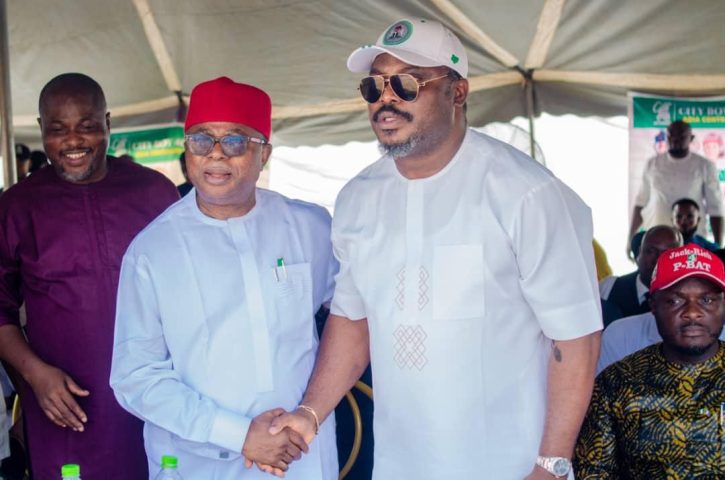
He noted that the movement represents a platform of hope for a new generation, commending its leadership and supporters for their commitment and strong turnout.
In his remarks, the State Patron called for stronger national participation among Ndi Igbo, urging greater engagement with the federal government to enhance representation and access to opportunities.
Delivering the keynote address, State Director Mayor Lucky Igbokwe described the inauguration as more than a ceremonial event, calling it a demonstration of renewed patriotism and collective resolve to build a prosperous Nigeria. He said the City Boy Movement is designed to mobilise and empower young Nigerians nationwide while promoting active participation in governance ahead of the 2027 elections.
He charged the newly inaugurated executives to view their roles as a call to service by building inclusive structures at the grassroots level and fostering community engagement.
Igbokwe also appealed to traditional rulers, political leaders and stakeholders across Abia State to support the initiative, emphasising the importance of collective action for sustainable development.